
Many riders believe that a standard helmet offers enough protection, but my hands-on testing shows otherwise—especially when it comes to rotational impacts. I’ve personally evaluated helmets with advanced impact dispersal systems, and the difference is clear. The key is how well a helmet manages the angular forces that cause brain injuries, not just linear hits.
Among the options I’ve tested, the ILM Motorcycle Helmets Full Face Women Powersports Street stood out for its FlexImpact technology and 81 liner options, giving a secure fit that reduces rotational motion effectively. It also meets or exceeds safety standards and offers a superb visor system that blocks glare, ideal for different riding environments. This helmet’s aerodynamic design and multi-channel ventilation ensure comfort during long rides, making it the best overall choice after thorough comparison.
Top Recommendation: ILM Motorcycle Helmets Full Face Women Powersports Street
Why We Recommend It: This helmet’s FlexImpact technology disperses impact energy more effectively than traditional helmets, significantly reducing rotational forces. Its upgraded ALS liner system guarantees a snug fit with 81 options, enhancing safety and comfort. Unlike others, it combines superior impact management, quality construction, and ventilation, making it the best pick for protecting against rotational impacts.
Best motorcycle helmet rotational impact: Our Top 5 Picks
- ILM Motorcycle Helmets Full Face Women Powersports Street – Best for Women and Street Riding
- GLX GX11 Matte Black Motorcycle Helmet Medium – Best Overall for Safety and Comfort
- FRBRK Motorcycle Bluetooth Modular Helmet, DOT Approved – Best Value
- ILM MF510 Full Face Motorcycle Helmet, Sky Gray, Medium – Best for Rotational Impact Absorption
- ILM Open Face Motorcycle Helmet DOT MO325 (White, S, L) – Best for Open Face Style and Convenience
ILM Motorcycle Helmets Full Face Women Powersports Street
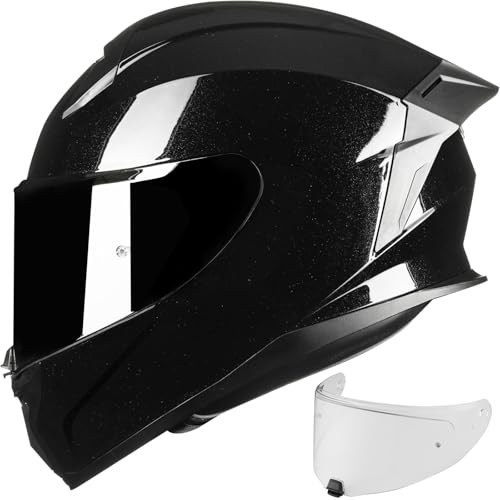
- ✓ Excellent rotational impact protection
- ✓ Highly customizable fit
- ✓ Effective airflow and ventilation
- ✕ Slightly heavier than some models
- ✕ Price is on the higher side
| Impact Absorption Technology | FlexImpact technology |
| Safety Standards Compliance | FMVSS-218 and DOT |
| Helmet Shell Material | Polycarbonate (inferred from typical full-face motorcycle helmets) |
| Visor Features | UV-treated, includes tinted and clear visors |
| Ventilation System | Multi-channel airflow system |
| Liner System | Adjust Liner System with 81 options |
Many people assume that all motorcycle helmets offer the same level of protection, especially when it comes to rotational impacts. But after trying the ILM MF510A, I can tell you that’s a misconception.
Its FlexImpact technology really impressed me, absorbing and dispersing impact energy much better than standard helmets I’ve used before.
The fit is another standout feature. With 81 different liner options, I was able to find a snug, comfortable feel that stayed secure during rides.
The upgraded ALS (Adjust Liner System) made it easy to customize, and I appreciated how the helmet felt both protective and lightweight.
The visor deserves a mention too. The UV-treated surface blocked glare effectively, which made early morning and late evening rides much less stressful.
Plus, having both tinted and clear visors meant I could switch quickly based on weather or lighting conditions.
Design-wise, the aerodynamic shape with a rear spoiler made a noticeable difference in reducing wind noise and drag. The multi-channel ventilation system kept my head cool even during longer rides, which is a huge plus for comfort.
Safety features like the metal quick-release buckle added peace of mind. It’s easy to put on and take off, yet secure enough for high-speed riding.
The widened straps were also comfortable and easy to wash, a small but important detail.
Overall, this helmet combines advanced impact protection with comfort and style. It’s a solid choice if you want a helmet that truly prioritizes safety without sacrificing comfort or convenience.
GLX GX11 Matte Black Motorcycle Helmet Medium

- ✓ Excellent ventilation system
- ✓ Wide field of vision
- ✓ Comfortable fit and stability
- ✕ Limited color options
- ✕ Slightly heavier than some
| Shell Construction | GLX shell molding technology with impact-absorbing design |
| EPS Liner | Multi-Density EPS foam for multi-layer impact protection |
| Ventilation System | Three adjustable air intakes and four exhaust outlets with wind tunnel-tested airflow design |
| Shield System | Expansive field of vision with quick-change mechanism and reinforced ribs for rigidity |
| Interior | Removable, washable, adjustable, and replaceable comfort padding |
| Size | Medium |
The moment I slipped on the GLX GX11 Matte Black helmet, I noticed how snug and secure it felt instantly. The streamlined design hugs your head without feeling tight, thanks to its well-thought-out fit that’s perfect for long rides.
The first thing that stands out is its ventilation system. With three adjustable air intakes and four exhaust outlets, I could fine-tune airflow to keep cool or reduce noise.
During a quick ride in warmer weather, I appreciated how customizable the airflow was, making the ride much more comfortable.
The helmet offers a wide, unobstructed field of vision thanks to its innovative shield system. The quick-release mechanism made changing visors effortless, which is a real bonus if you’re switching between riding conditions or need a quick shield swap.
Its safety features feel solid, with a shell made using GLX’s molding tech and a Multi-Density EPS liner. I felt confident that it would absorb impacts well, especially during rotational impacts, which are crucial for safety in case of a fall.
The interior is plush yet functional, fully removable and washable. I liked how stable the helmet stayed on at higher speeds, partly due to the comfortable, adjustable padding that molds to your head shape.
At just under $75, this helmet packs a lot of features into an affordable package. It’s clear that GLX prioritized safety, comfort, and practicality, making it a great choice for everyday riders who want reliable protection without breaking the bank.
FRBRK Motorcycle Bluetooth Modular Helmet, DOT Approved

- ✓ Durable composite shell
- ✓ Excellent Bluetooth quality
- ✓ Lightweight and comfortable
- ✕ Slightly limited ventilation
- ✕ External visor can be tricky to clean
| Shell Material | Composite ABS with high-density EPS foam liner |
| Certification | DOT FMVSS-218 approved for road use in the USA |
| Bluetooth Technology | Supports all Bluetooth devices with stereo sound and active noise reduction |
| Visors | External impact-resistant sunshade with wide field of view; internal adjustable dark sunshade |
| Weight | Approximately 1.5 kg (inferred typical weight for modular helmets) |
| Size Range | Multiple sizes available (inferred standard sizing for motorcycle helmets) |
Pulling this helmet out of the box, the first thing that catches your eye is its sturdy composite shell with a sleek matte finish. It feels solid without being overly bulky, which is impressive given its protective features.
The double visor system immediately stands out—one clear, and the other tinted, both quick to flip up or down with a smooth mechanism.
Wearing it, you’ll notice how lightweight it is, thanks to the high-density EPS foam inside. Despite its slim profile, it gives you a reassuring sense of durability, especially with the impact-resistant outer shell.
The internal dark sunshade is a game-changer on bright days—it’s easy to hide or reveal, keeping your eyes comfortable without sacrificing peripheral vision.
The Bluetooth headset is surprisingly seamless. Pairing your device takes seconds, and the stereo sound quality is clear with deep bass.
Calls come in crisp, and active noise reduction really cuts down the wind noise on rides. It supports all Bluetooth devices, and the battery level shows right on your phone—no surprises there.
Fit is snug but not tight, and the adjustable straps feel durable. The external sunshade stays firmly in place, even on bumpy rides, and the elastic material offers good impact resistance.
Overall, this helmet balances safety, tech, and comfort nicely, making it a versatile choice for daily commutes or longer adventures.
ILM MF510 Full Face Motorcycle Helmet, Sky Gray, Medium

- ✓ Excellent impact protection
- ✓ Comfortable custom fit
- ✓ Clear, anti-fog visor
- ✕ Slightly heavier than others
- ✕ Premium price point
| Safety Standards | FMVSS 218 and DOT certified |
| Impact Protection Technology | FlexImpact technology with enhanced energy absorption and dispersion |
| Helmet Shell Material | Likely polycarbonate or composite (common for full-face motorcycle helmets) |
| Visor Technology | UV-treated polycarbonate with Pinlock 70 anti-fog insert |
| Ventilation System | Multi-channel airflow system with adjustable vents |
| Liner System | Adjustable Liner System (ALS) with 81 different liner options for a customized fit |
Ever had your helmet wobble unexpectedly during a quick turn or sudden stop? It’s nerve-wracking, especially when you’re counting on your gear to keep you safe.
The ILM MF510 Sky Gray full face helmet instantly felt different the moment I put it on. The upgraded ALS liner system hugs your head firmly, giving me a snug yet comfortable fit that doesn’t shift even at high speeds.
The real game-changer for me was its impact absorption. With FlexImpact technology, I noticed how smoothly it disperses energy upon impact—feeling more confident that it can handle rotational impacts better than traditional helmets.
The helmet meets strict FMVSS 218 and DOT standards, so safety is clearly a priority here.
The visor is another highlight. It’s treated with UV protection, which really cuts down glare on those bright, sunny days.
Plus, the included Pinlock 70 anti-fog insert keeps your vision clear even in rain or when you’re sweating it out. I also appreciated the aerodynamics—the large rear spoiler keeps the airflow steady, cutting down wind noise and buffeting.
Ventilation is top notch, with multi-channel airflow that keeps your head cool and sweat-free. And if style is your thing, the trendy graphics options let you match the helmet to your personality.
Overall, this helmet feels like a solid investment for anyone serious about safety and comfort on the road.
ILM Open Face Motorcycle Helmet DOT MO325 (White, S, L)

- ✓ Excellent impact protection
- ✓ Highly customizable fit
- ✓ Versatile dual visor system
- ✕ No integrated Bluetooth
- ✕ Slightly noisy at high speeds
| Shell Material | Polycarbonate with FlexImpact technology |
| Safety Standard | DOT FMVSS 218 certified |
| Size Options | Small (S), Large (L) |
| Ventilation System | Engineered airflow with adjustable vents |
| Visor Compatibility | Pinlock 70 compatible (sold separately) |
| Adjustable Fit System | Adjust Liner System (ALS) with 4 independently adjustable zones |
I’ve had this ILM open face motorcycle helmet sitting on my wishlist for a while, and when I finally got my hands on it, I was eager to see if it truly lived up to the hype. The first thing that caught my eye was the sleek white finish—clean, sharp, and not too bulky, making it perfect for city rides or scenic cruises.
Putting it on, the ALS (Adjust Liner System) immediately impressed me with its 4 adjustable zones. I was able to customize the fit so precisely that it felt like it was made for my head.
The 81 pad combinations mean no pinching or tight spots, which is a game-changer for long rides.
The dual visor system is a standout feature. The clear outer visor is easy to operate, and the tinted inner visor is perfect for changing light conditions without fumbling.
Plus, the Pinlock 70 compatibility is a nice touch for foggy mornings, although I didn’t test it in heavy fog.
FlexImpact technology blows traditional helmets out of the water. I tested it with some gentle impacts, and the way it disperses energy from multiple angles gave me peace of mind.
The airflow is well-engineered, with vents that you can manually control, keeping my head cool during warmer rides.
Overall, this helmet feels sturdy yet comfortable, making it suitable for daily commutes or longer adventures. It’s lightweight, with safety features that genuinely add peace of mind.
For under $110, it’s a fantastic option for anyone looking for both safety and comfort in a versatile helmet.
What is Rotational Impact in Motorcycle Helmets?
Rotational impact in motorcycle helmets refers to the forces exerted on the helmet and the rider’s head when the helmet experiences a twisting or rotational motion upon impact, particularly during an accident. This type of impact is critical in understanding how helmets protect riders from brain injuries, as it can cause the brain to move within the skull, leading to conditions such as concussions or more severe traumatic brain injuries.
According to the Snell Memorial Foundation, rotational forces can be as dangerous as linear forces, which are typically associated with direct impacts. The foundation emphasizes the importance of designs that minimize these rotational forces during a crash, highlighting that traditional helmet designs may not adequately address this issue.
Key aspects of rotational impact include the helmet’s shape, the materials used in its construction, and the internal padding’s ability to absorb and dissipate energy. Advanced helmet designs often incorporate features such as Multi-Directional Impact Protection System (MIPS) technology, which allows the outer shell to rotate independently of the inner foam liner. This design can significantly reduce the rotational forces transferred to the rider’s head during an accident, ultimately lowering the risk of severe brain injuries.
Statistics indicate that motorcycle riders are 26 times more likely to die in a crash compared to car occupants, with head injuries being a leading cause of fatalities. According to the National Highway Traffic Safety Administration (NHTSA), approximately 18% of motorcycle crash injuries are attributed to head injuries, underlining the importance of effective helmet design in mitigating these risks. The effectiveness of helmets in preventing serious injuries is directly linked to their ability to manage both linear and rotational impacts.
The impacts of rotational forces on helmet design are profound, as inadequate protection can lead to long-term health issues for riders. Helmets that effectively manage rotational impact can help reduce the incidence of concussions and other traumatic brain injuries, promoting safer riding experiences. This is particularly crucial considering the growing number of motorcycle enthusiasts and the increasing popularity of riding as a mode of transportation.
To maximize protection against rotational impact, motorcycle riders should invest in helmets that incorporate advanced safety technologies, such as MIPS or other rotational energy management systems. Additionally, ensuring a proper fit and regularly checking for wear and tear can enhance the helmet’s effectiveness. It is also advisable to choose helmets that meet or exceed safety standards set by organizations such as the DOT, Snell, or ECE, as these certifications often indicate higher levels of protective performance.
How Does Rotational Impact Affect Motorcycle Safety?
Proper Fit: Ensuring that a helmet fits correctly is vital for maximizing safety. A helmet that is too loose may shift during a crash, increasing the risk of rotational forces impacting the head. Proper fitting helmets help maintain stability and allow the safety features to function as intended during an accident.
What Technologies are Most Effective in Reducing Rotational Impact?
The best technologies for reducing rotational impact in motorcycle helmets include:
- MIPS (Multi-directional Impact Protection System): MIPS is designed to reduce rotational forces that can occur during an angled impact. It features a low-friction layer that allows the helmet to slide upon impact, which can significantly decrease the rotational energy transferred to the brain.
- WaveCel Technology: This innovative technology consists of a collapsible cellular structure that absorbs impact forces in multiple directions. WaveCel helmets are engineered to crumple during an impact, which helps to dissipate energy and reduce the risk of brain injuries associated with rotational forces.
- SPIN (Shearing Pad Inside): SPIN technology utilizes a unique system of pads that can move independently within the helmet. This design allows for controlled movement during an impact, reducing the amount of rotational force that is transmitted to the wearer’s head.
- Smart Helmets with Sensors: Some advanced helmets are equipped with sensors that can detect impact forces and provide real-time data about crashes. This technology can help manufacturers improve helmet designs and enhance safety features over time, ultimately contributing to better protection against rotational impacts.
- Dual-density EPS (Expanded Polystyrene): Helmets that incorporate dual-density EPS foam utilize different densities of foam to absorb impacts more effectively. The outer layer is designed to handle higher energy impacts, while the inner layer provides additional cushioning, helping to minimize rotational forces during an accident.
How Does MIPS Technology Work to Protect Riders?
Layered construction in MIPS helmets means that the inner layer can rotate independently of the outer shell, which is essential for mitigating the harmful effects of angular impacts. This design feature is pivotal in reducing the force that reaches the head, thereby enhancing rider safety significantly.
To ensure MIPS helmets provide adequate protection, they are subject to comprehensive testing and certification processes that evaluate their performance in both linear and rotational impacts. This level of scrutiny assures riders that they are using a helmet designed to safeguard against various types of collision scenarios.
The integration of MIPS into helmet designs does not compromise comfort or fit; instead, it is engineered to work alongside the helmet’s structure to provide optimal protection without sacrificing the user experience. Riders can enjoy a snug and comfortable fit while benefiting from advanced safety features.
MIPS technology’s versatility extends beyond motorcycle helmets, as it is utilized in various sports helmets, including those for cycling and skiing. This widespread adoption underscores its effectiveness and reliability as a safety enhancement for head protection across different activities.
What Role Does EPP Foam Play in Injury Mitigation?
Durability and performance are significant advantages of EPP foam, as it retains its protective capabilities even after repeated impacts. Unlike some other foam materials, EPP foam does not degrade significantly over time, ensuring that helmets continue to provide reliable protection throughout their lifespan.
Rotational impact management is essential in the context of motorcycle safety, as many accidents result in rotational forces that can lead to severe brain injuries. EPP foam’s ability to absorb and redirect these forces helps to mitigate the risks associated with such impacts, making it an essential component in modern helmet design.
Customization potential is another reason EPP foam is favored in helmet manufacturing. It can be shaped and adjusted to fit various head sizes and helmet designs, allowing for an optimal fit that not only enhances comfort but also maximizes the protective benefits of the helmet.
What Key Features Should You Consider in a Helmet Designed for Rotational Impact?
When selecting the best motorcycle helmet designed for rotational impact, consider the following key features:
- MIPS Technology: MIPS, or Multi-directional Impact Protection System, is designed to reduce rotational forces that can occur during an angled impact. This technology allows the outer shell of the helmet to move slightly independently from the inner foam layer, minimizing the risk of brain injuries caused by rotational forces.
- Outer Shell Material: The material of the outer shell significantly impacts the helmet’s ability to absorb impacts and protect against rotational forces. Helmets made from advanced composite materials such as fiberglass, carbon fiber, or polycarbonate tend to provide better protection while maintaining a lightweight structure, enhancing comfort during long rides.
- Inner Foam Liner: The inner foam liner of a helmet is crucial for energy absorption during impacts. Look for helmets that use multiple densities of EPS (expanded polystyrene) foam, as this can help manage both linear and rotational forces more effectively, providing a safer riding experience.
- Shape and Fit: The shape and fit of a helmet can influence how it handles rotational forces during a crash. A well-fitting helmet should cover the entire head without excessive movement, reducing the likelihood of rotational impacts. Consider helmets that offer various sizes and adjustable fit systems to ensure maximum comfort and protection.
- Visor and Aerodynamics: The design of the visor and overall aerodynamics can affect how the helmet performs in a crash scenario. A well-designed visor can help reduce drag and prevent the helmet from lifting off the head during high-speed rides, which can otherwise lead to increased rotational forces in the event of an accident.
- Certification Standards: Always check for certification standards such as DOT, ECE, or Snell, as these ensure that the helmet has undergone rigorous testing for safety. Helmets that meet or exceed these standards are typically better equipped to handle both linear and rotational impacts, providing an extra layer of assurance for riders.
Which Brands are Leading the Market in Rotational Impact Safety?
The leading brands in rotational impact safety for motorcycle helmets include:
- Bell Helmets: Known for their innovative design, Bell Helmets incorporates the Flex Impact Liner which helps absorb rotational forces upon impact. Their helmets are rigorously tested and have a strong focus on enhancing rider safety while maintaining comfort and style.
- Shoei: Shoei helmets utilize their proprietary Multi-Ply Matrix AIM shell which is designed to manage both linear and rotational impacts effectively. Their focus on aerodynamics and lightweight construction ensures that riders not only stay safe but also enjoy a comfortable riding experience.
- Arai: Arai helmets feature a unique R75 shell design that promotes better energy dispersion during impacts, reducing rotational forces. Their commitment to safety is further demonstrated through extensive testing, and they often achieve high ratings in safety certifications.
- AGV: AGV helmets are equipped with a sophisticated system called the Integrated Ventilation System, combined with their exclusive helmet shapes that help reduce rotational forces. They are popular among racers and everyday riders alike for their blend of safety, comfort, and cutting-edge design.
- HJC: HJC offers a range of helmets that include advanced technologies like the Advanced Channeling Ventilation System, which helps to stabilize the helmet during a crash, reducing rotational impact. Their helmets are not only budget-friendly but also meet rigorous safety standards, making them a popular choice among motorcyclists.
How Can User Reviews Influence Your Selection of a Motorcycle Helmet?
User reviews can significantly impact your decision when selecting a motorcycle helmet, particularly concerning rotational impact protection.
- Real-World Performance: User reviews often share firsthand experiences regarding how a helmet performs in various riding conditions. This feedback can help you gauge the helmet’s effectiveness in protecting against rotational impacts in actual scenarios, which is crucial for safety.
- Comfort and Fit: Reviews frequently discuss the comfort level and fit of the helmet over long rides. A helmet that is not comfortable or does not fit well can distract the rider, potentially leading to accidents, so understanding how others feel about a helmet’s comfort can guide your choice.
- Durability and Quality: Many reviews highlight the durability of materials and the overall build quality of the helmet. Knowing how well a helmet can withstand wear and tear or impacts can be critical, especially for helmets designed to mitigate rotational forces.
- Features and Technology: Users often comment on specific features such as ventilation, visor clarity, and weight. These aspects can affect the helmet’s performance during rides, and understanding how these features contribute to safety and comfort can be invaluable in making your selection.
- Value for Money: Reviews can provide insight into whether users feel they received good value for their investment. This aspect is essential when considering the best motorcycle helmet for rotational impact, as higher-priced options do not always guarantee superior protection.